

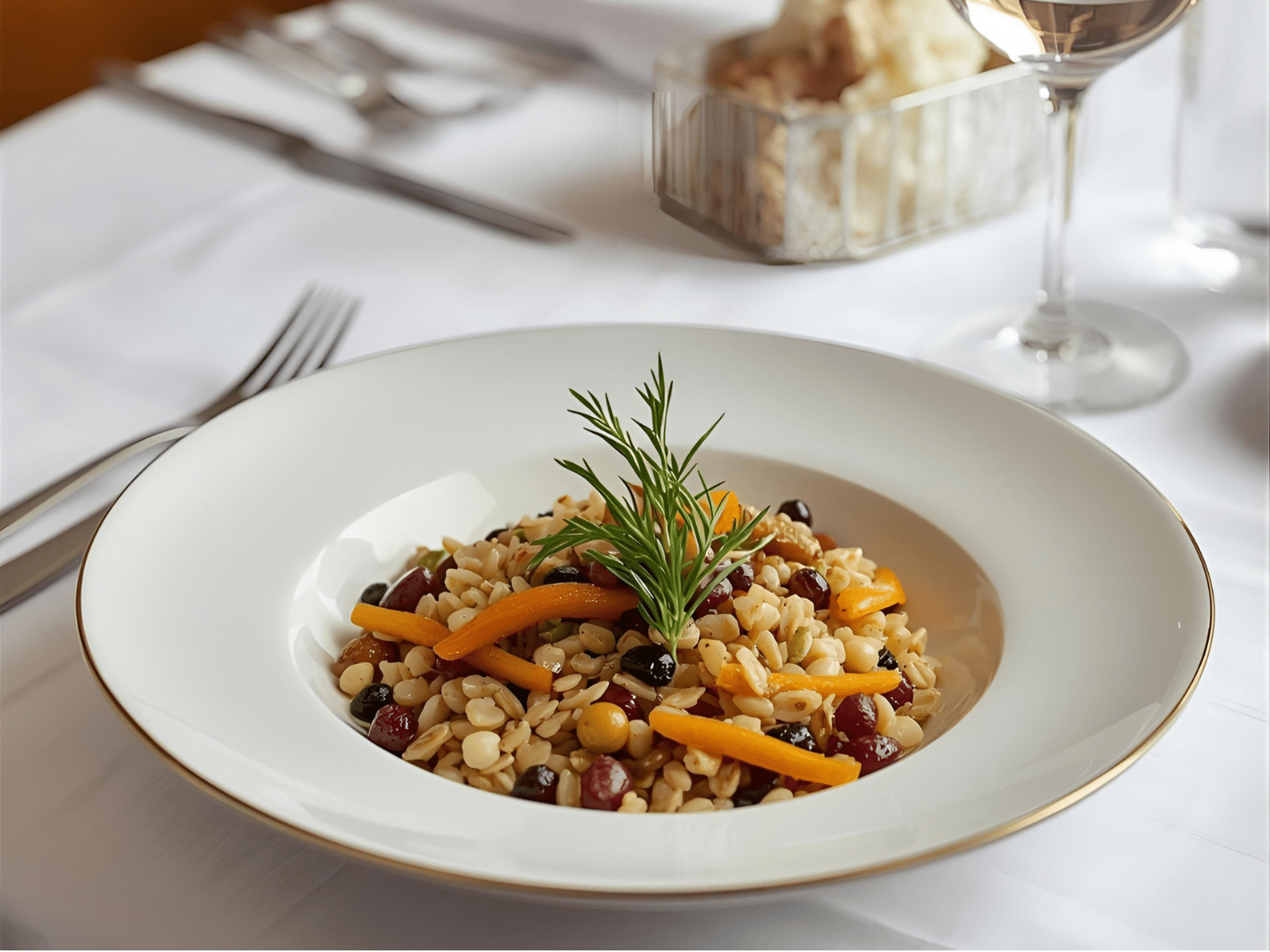
Cereals and legumes play a central role in plant-based cuisine.
Rich in protein, fibre and minerals, they offer a wide range of textures and flavours that make it possible to create balanced, nourishing and creative dishes.
Working with cereals and legumes requires an understanding of their texture, flavour and behaviour during cooking. By knowing their specific characteristics, it becomes easier to combine them precisely with other ingredients and fully benefit from their richness.
These simple ingredients then become true culinary allies, capable of bringing the right balance to a vegan dish.
This article explores the potential of cereals and legumes as a way to develop creativity in plant-based cooking.
Choosing and preparing cereals and legumes
Cereals are at the heart of plant-based cuisine. They provide structure and energy to every dish, and each variety has its own unique qualities. Some remain light and soft after cooking, while others offer more bite or firmness. Understanding these differences makes it easier to use them appropriately and adapt cooking methods depending on the desired result.
Among the most common cereals, quinoa, millet and spelt stand out for their texture and taste. Quinoa offers a light texture with a slight crunch, millet develops a soft consistency ideal for purées and porridges, while spelt provides a firmer bite, perfect for salads or slow-cooked dishes.
Legumes, meanwhile, differ in size, flavour and cooking behaviour. Some, such as green lentils, are well suited to salads or simmered dishes. Others, such as red lentils, can be easily transformed into purées or velvety soups.
Cooking cereals and legumes with precision
Once selected, cereals and legumes require an adapted preparation to reveal all their nutritional qualities.
Cereals often need to be rinsed to remove excess starch and cooked with the correct amount of liquid to achieve the desired texture. Some varieties, such as spelt or millet, require a longer cooking time, while quinoa cooks quickly and retains a slight firmness that gives body to salads and side dishes.
For legumes, soaking is sometimes necessary, especially for chickpeas or dried beans, in order to shorten cooking time and improve digestibility. Lentils, which are softer, can usually be cooked directly in water, but the cooking time should still be adjusted depending on the desired consistency, whether they are meant to remain whole or be blended into a purée. Observing colour and texture during cooking is essential to achieve the best result.
Combining cereals and legumes for nutritional value
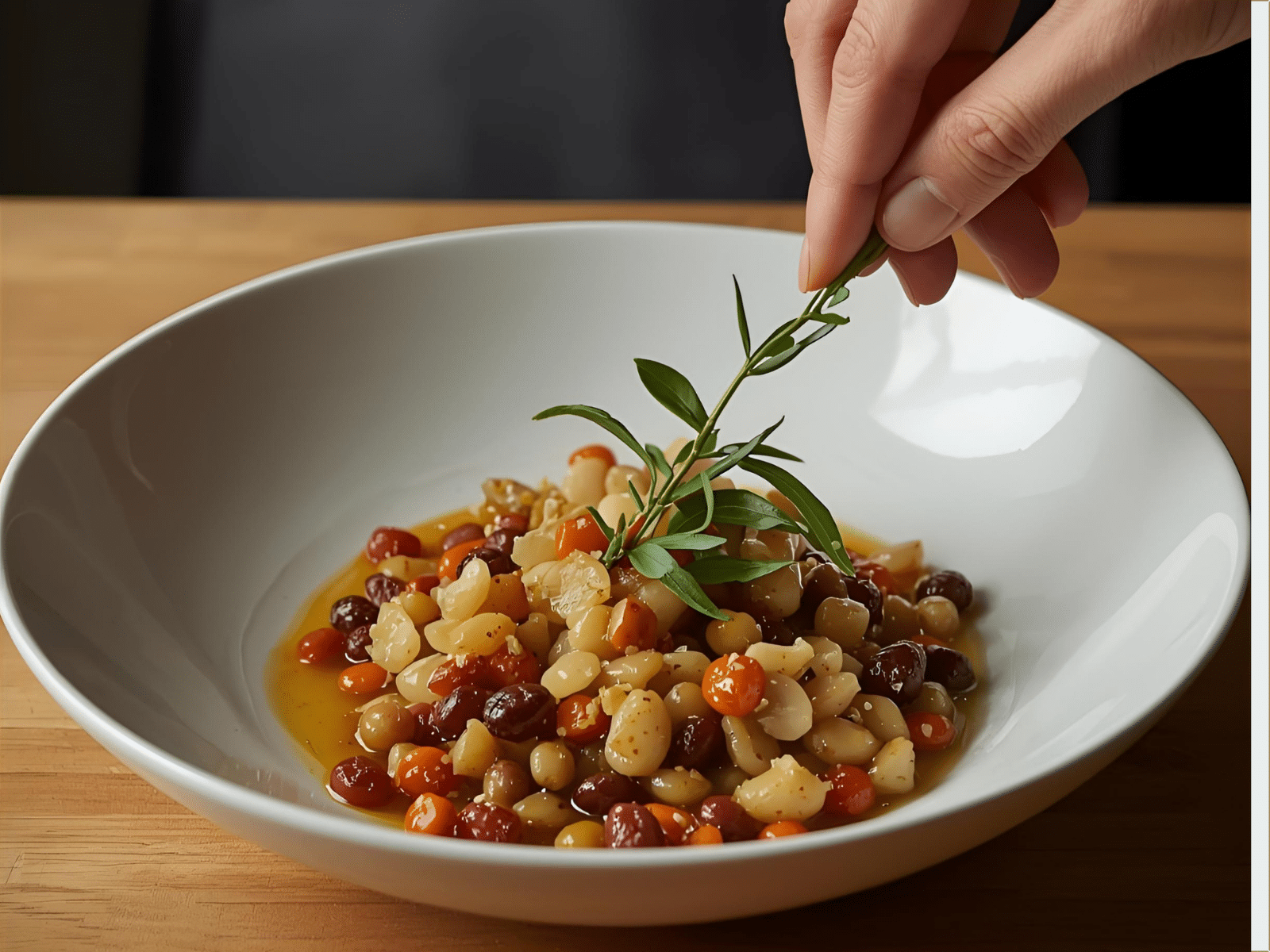
To achieve a complete and balanced protein intake, it is recommended to combine cereals and legumes within the same dish or throughout the same meal.
Legumes provide protein and density, while cereals complement their profile with essential amino acids. Combining the two increases the nutritional value of the dish while also creating a variety of textures.
Adding fresh herbs, spices, seeds or vegetables enhances natural flavours, highlights aromatic notes and creates a more complex and interesting overall experience on the palate.
Cereals and legumes can be served with roasted vegetables or purées, incorporated into complete salads or transformed into patties and fillings. Each combination should be designed according to the desired texture, cooking method and aromatic balance so that the final dish remains indulgent, harmonious and nourishing.
Cooking recipes with cereals and legumes
Cereals and legumes offer great versatility in plant-based cuisine.
They can be integrated into both savoury and sweet preparations, with each ingredient contributing its own texture, structure and flavour to the dish.
Puréed legumes can be used to create creamy sauces, velvety soups or fillings. Cereals provide a base for side dishes, complete salads or simmered meals. Their combination brings richness and depth while allowing for interesting contrasts in texture.
In vegetable patties or plant-based burgers, legumes provide firmness and cohesion, while cereals add lightness and structure. These combinations help create stable and enjoyable preparations that meet guests’ expectations.
Cereals and legumes also have their place in sweet recipes for healthier desserts. Oats are perfect for biscuits or porridges, red lentil purées can serve as a base for soft cakes, and legume flours are ideal for pancakes or light pastries. Once again, these ingredients make it possible to play with texture, density and flavour while maintaining an interesting nutritional profile.
To fully explore the benefits of cereals and legumes, discover our Guide des Ingrédients en cuisine végétale (French version). This guide offers a detailed exploration of each ingredient, along with practical advice on how to integrate them creatively and nutritiously into recipes. An essential resource for any Chef or plant-based food enthusiast looking to diversify and enrich their menu with healthy and flavourful options.
