

Interest in plant-based food is now part of a broader transformation in consumption habits.
The vegan clientele is no longer limited to specialized restaurants and now concerns the entire hospitality and food service sector.
For many professionals, this shift creates interest but also calls for clearer guidance on how to respond in a relevant and structured way.
Adapting to a vegan clientele starts with understanding their expectations, identifying suitable recipes, and using culinary techniques to enhance the guest experience.
Understanding the vegan clientele
The available words to describe plant-based food are often used interchangeably, even though they refer to very different realities.
Making this distinction is an essential starting point to build a coherent plant-based offering.
Vegetarian, plant-based, vegan: concepts to clarify
The vocabulary surrounding plant-based food has gradually expanded to reflect the diversity of culinary practices associated with this way of eating.
Each word refers to specific dietary habits that must be clearly understood to avoid confusion.
A vegetarian does not eat meat, but may consume animal products such as eggs, dairy, honey, and sometimes even fish.
In French, the word “végétalien” refers to someone who eats exclusively plant-based food. The word “plant-based” is commonly used in English to describe this dietary approach, which excludes all animal products and relates only to food choices.
A vegan, on the other hand, follows a plant-based diet and applies the principles of veganism to his daily life. Beyond food, this includes avoiding all products coming from animal exploitation.
In hospitality and food service, the term “vegan” is now widely used to identify fully plant-based dishes. It appears on menus, often alongside existing vegetarian options.
However, using these terms inaccurately can lead to misunderstandings and operational mistakes.
For an establishment, understanding these definitions is a first step in setting a clear framework for menu design, communication, and service. Our plant-based gastronomy glossary (in French) brings together key definitions to have in mind.
A food choice driven by a diversity of motivations
Vegan customers are far from being a homogeneous group.
Their motivations vary depending on individual profiles and can evolve over time.
Some people adopt a vegan diet for ethical reasons, others for environmental or health considerations, while some are simply seeking personal alignment.
In practice, this means that vegan guests do not all expect the same thing. However, they share a fundamental expectation: respect for their dietary choices when dining out.
This respect is reflected not only in what is served on the plate, but also in the way staff interacts with guests and the overall consistency of the offering.
For hospitality teams, this means understanding what a plant-based diet truly implies, and being able to present and promote plant-based options in a relevant and appealing way.
Observing the evolution of vegan clientele in hospitality
For a long time, demand for vegan dishes was perceived as too limited to justify investing time and resources in developing the offer.
Specialized plant-based restaurants paved the way and remain a reliable option for vegan customers seeking a dedicated offering.
More traditional establishments are gradually recognizing that demand for plant-based options is part of a broader and lasting shift in eating habits, affecting a wide range of customer profiles. This growing awareness encourages them to develop their menus.
Even when vegan customers still represent a minority, their impact is significant. Indeed, vegan guests rarely go alone to the restaurant and often influence the dining choices of a group. They are also particularly sensitive to the overall experience and more likely to share reviews online, which can strengthen or negatively influence an establishment’s reputation.
Designing an experience adapted to vegan guests
Welcoming vegan guests requires careful attention to how the entire experience is designed.
This dietary choice comes with specific expectations that influence how the meal is perceived and the level of attention given to every detail.
Beyond the absence of animal products
With the evolution of plant-based culinary techniques and the growing number of chefs trained in this cuisine, simply offering a dish without meat or fish is no longer sufficient. A vegan dish perceived as a fallback option sends a negative message, even if it technically meets dietary requirements.
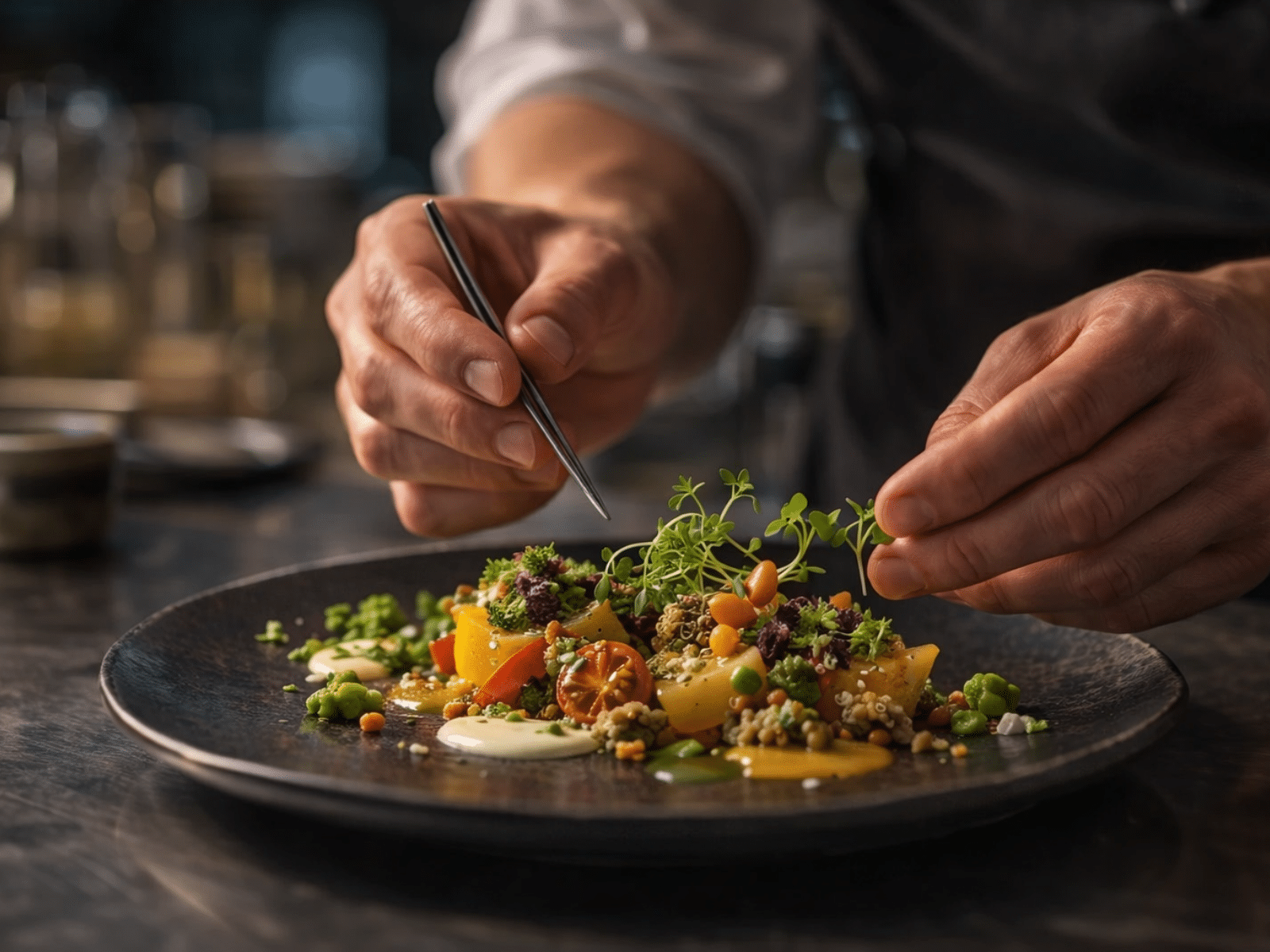
Vegan guests expect a fully developed culinary proposition which is refined, well-balanced, and thoughtfully composed. They pay close attention to textures, flavor pairings, ingredient quality, nutritional balance, and creativity.
Guests also expect a complete menu. Many restaurants that offer a single vegan dish fail to provide a corresponding starter and dessert.
Every detail matters. Depending on the positioning of the establishment, the entire offering must be carefully designed to meet expectations.
Clarity, trust and consistency
Menus must be clear and explicitly identify plant-based options.
Ambiguous descriptions and the absence of clear labeling often reflect a lack of strategic thinking in how the offer is presented.
During service, improvised adaptations or uncertain answers can undermine the guest experience and create unnecessary tension for both staff and customers.
Vegan guests want to know exactly what they are eating, without having to negotiate or justify their choices. They expect to feel heard, understood, and welcomed. Consistency between the menu, the staff’s discourse, and what is served on the plate is therefore essential. It directly shapes the overall experience.
Avoiding common mistakes when responding to vegan demand
When expectations are only partially understood, the responses provided by establishments often lack coherence.
These unstructured adjustments frequently lead to recurring mistakes that impact the overall experience.
The “default” vegan dish
Green salad, steamed vegetables, risotto without parmesan, or pasta with tomato sauce: these overly simplistic options still appear very often as last-minute solutions.
Even when they are well executed, such dishes suggest that vegan guests are an inconvenience rather than valued customers deserving a thoughtfully crafted meal.
The lack of proteins
Another common mistake is removing animal protein without replacing it with a well-considered alternative.
This approach results in dishes that are unbalanced both nutritionally and in terms of flavor. It gives the impression of an incomplete culinary approach.
Incorporating cereals and legumes, grains, or well-prepared plant-based components helps structure the dish and provide the expected balance.
The trap of processed meat substitutes
Replacing meat with industrial plant-based substitutes without a smart culinary reflection is another common mistake.
Plant-based alternatives do have their place, and many brands offer very interesting options. However, they must be used with discernment and integrated into a coherent culinary approach.
These alternatives are indeed more suited to casual dining concepts such as fast food or brasseries. Featuring them on premium menus can give the impression of a lack of investment in culinary creativity, especially when no more refined option is offered.
Building a coherent and attractive plant-based offering
Adapting to a vegan clientele requires rethinking the menu so that it can offer several appealing options while remaining manageable for the teams.
The placement of vegan dishes on the menu is a strategic work that requires a reflection on creativity, visibility and overall balance.
Adapting to vegan customers also sends a strong message: it shows that the establishment is attentive to evolving societal expectations and able to innovate while staying true to its identity.
This ability to adapt strengthens the brand image, enhances customer satisfaction, and ultimately supports loyalty.
Vegan clientele can therefore become a powerful driver to stimulate teams’ creativity and position an establishment as a proactive player in the ongoing food transition.
