

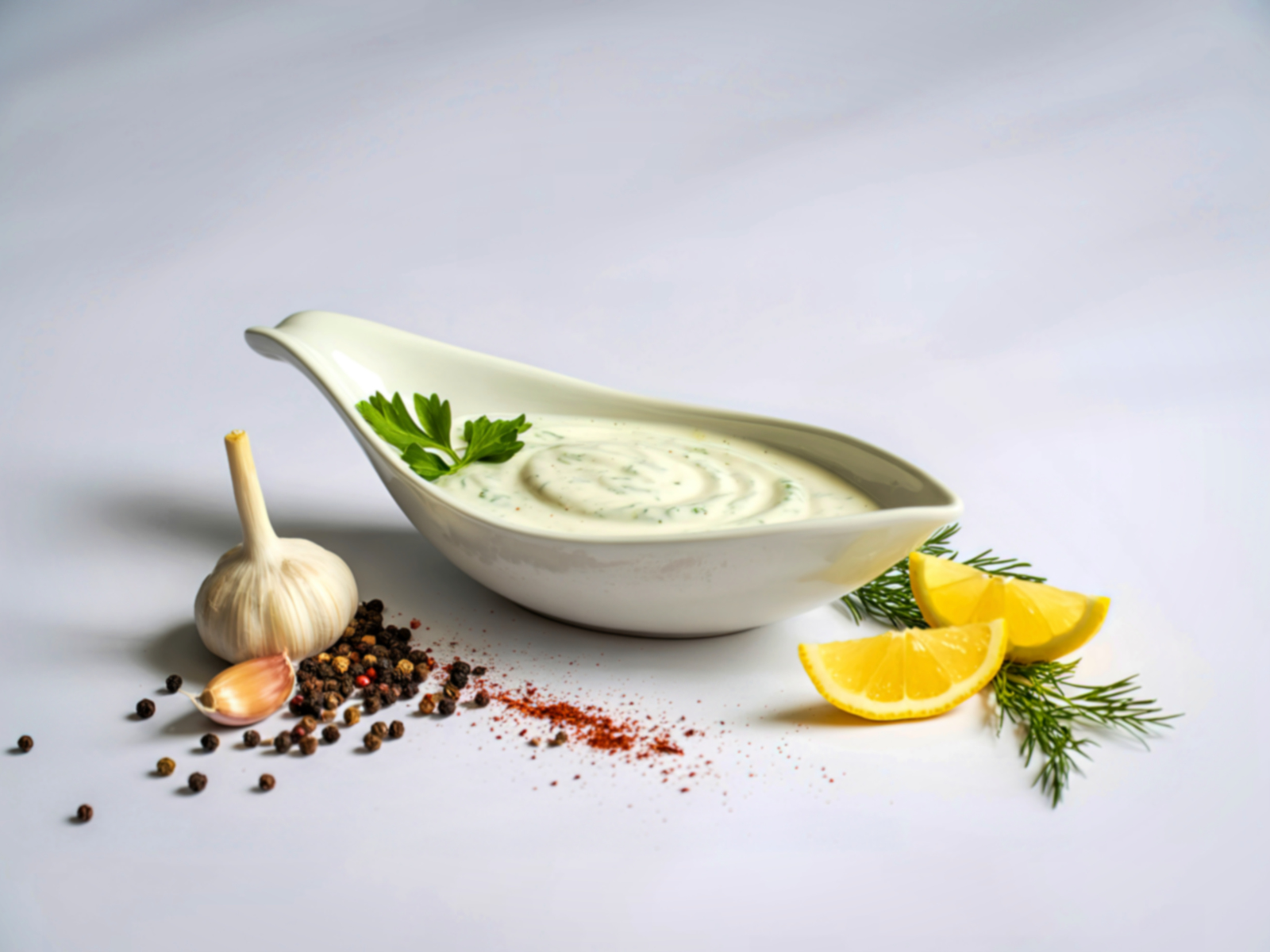
Sauce is the subtle link between ingredients. It harmonizes flavors, balances textures, and brings depth to a dish.
In plant-based cuisine, recreating traditional sauces — often built on animal-based products — represents a stimulating creative challenge.
The goal is not merely to find substitutes, but to transform classic foundations in order to craft sauces that are rich in both flavor and texture.
This article invites you to explore the essential culinary techniques and key ingredients needed to successfully create plant-based sauces.
Types of sauces in plant-based cuisine
Plant-based sauces draw inspiration from the great families of classic sauces.
- Broths, for example, form the base of many sauces. By replacing meat-based stocks with vegetable broths rich in umami, it is possible to achieve a similar depth of flavor. Root vegetables such as carrots and celery, along with mushrooms or seaweed, bring intensity and complexity.
- Pan juices, traditionally produced through meat cooking, are also relevant. In plant-based cooking, they are created by caramelizing vegetables such as onions or leeks, then deglazing with vegetable broth, wine, or a touch of vinegar to add complexity.
- Emulsions are a cornerstone technique in plant-based cuisine, allowing creamy textures thanks to nuts, avocado, or plant-based “milks”. These preparations successfully replace classic sauces such as mayonnaise or béchamel, often made using cashew or sunflower seed purées.
- Vegetable oils play a key role in the texture and sheen of sauces. Olive oil, rapeseed oil, or other neutral oils can be used alone or combined with vegetable purées and emulsions to create a silky coating and subtle flavors, while enhancing color and indulgence.
- Finally, vegetable and fruit juices can be transformed into surprisingly flavorful sauces after reduction. Beetroot, tomato, or bell pepper juices, for instance, can bring sweetness, acidity, or lightly smoky notes, ideal for pairing with specific dishes.
By working with emulsions, juices and oils, it is possible to achieve glossy, smooth textures and intensified flavors, adding a true gastronomic dimension to plant-based sauces.
The importance of texture in creating delicious sauces
For a sauce to be successful, it must be balanced and indulgent. In plant-based cuisine, richness primarily comes from the intensity of texture and flavor.
The goal is often to recreate the creaminess traditionally provided by butter or cream. Several effective alternatives exist:
- Nuts and seeds, such as almonds, cashews, or hazelnuts, can be blended to create creamy textures. Combined with broth or plant-based “milk”, they produce velvety, rich sauces with a comforting mouthfeel.
- Avocado, thanks to its natural consistency, is another excellent substitute, especially in fresh sauces where its smoothness pairs well with acidic notes like lemon or vinegar.
- Root vegetables, including carrots, parsnips, and celery, are also valuable allies. Their ability to caramelize during cooking creates velvety textures and natural sweetness that add roundness to sauces.
- Mushrooms, particularly varieties such as shiitake or porcini, further enrich sauces with deep, complex flavors.
These ingredients provide natural depth and character, essential for elevating sauces and enhancing plant-based dishes.
Plant-based proteins in sauce creation
One of the defining features of plant-based cuisine is the use of plant proteins to recreate the density and structure of meat-based sauces.
Beetroot is a prime example of a vegetable capable of replacing meat-based foundations. Its intense color and earthy flavor give sauces a rich texture and vibrant appearance. Whether puréed or roasted, beetroot can form a sauce base that rivals traditional meat sauces, offering natural sweetness and layered complexity.
Plant-based proteins such as tempeh or seitan can also be incorporated into sauces for their ability to add density and a meaty texture. With their firm structure and slightly smoky flavor, they bring substance to sauces and help recreate the melt-in-the-mouth effect, typical of meat-based preparations. Tempeh, in particular, works well in sauces designed to accompany grains or vegetable-based dishes.
Culinary techniques adapted to plant-based sauces
Alongside carefully selected ingredients, specific culinary techniques play a crucial role in enhancing plant-based sauces.
Vegetable caramelization, deglazing, juice reduction, and glazing techniques bring shine, smoothness, aromatic intensity, and depth, revealing the full richness of plant-based flavors.
These precise gestures allow aromas to develop, flavors to intensify, and each sauce to become a true gastronomic accompaniment.
They open up a wide creative field for Chefs wishing to integrate plant-based sauces into their culinary offering. By playing with texture, gloss, and flavor — while respecting the unique characteristics of each ingredient — plant-based cuisine can deliver sauces of remarkable indulgence and aromatic complexity, worthy of fine dining.
